Salad Theatre Wins Best Dance Work Award in Berlin
Salad Theatre Wins "Best Dance Work Award" at the 2nd International Korean-German Dance Festival in Berlin with the International Co-production “Pseudo-Archaeological Translation: The Case of Berlin”
- A meeting between the Korean dance Salpuri and the Japanese dance Butoh
- A crossover multimedia interactive interdisciplinary dance theatre performance bringing together the stories of first-generation Korean women who came to Germany as nurses and a younger generation of migrant women from diverse countries.
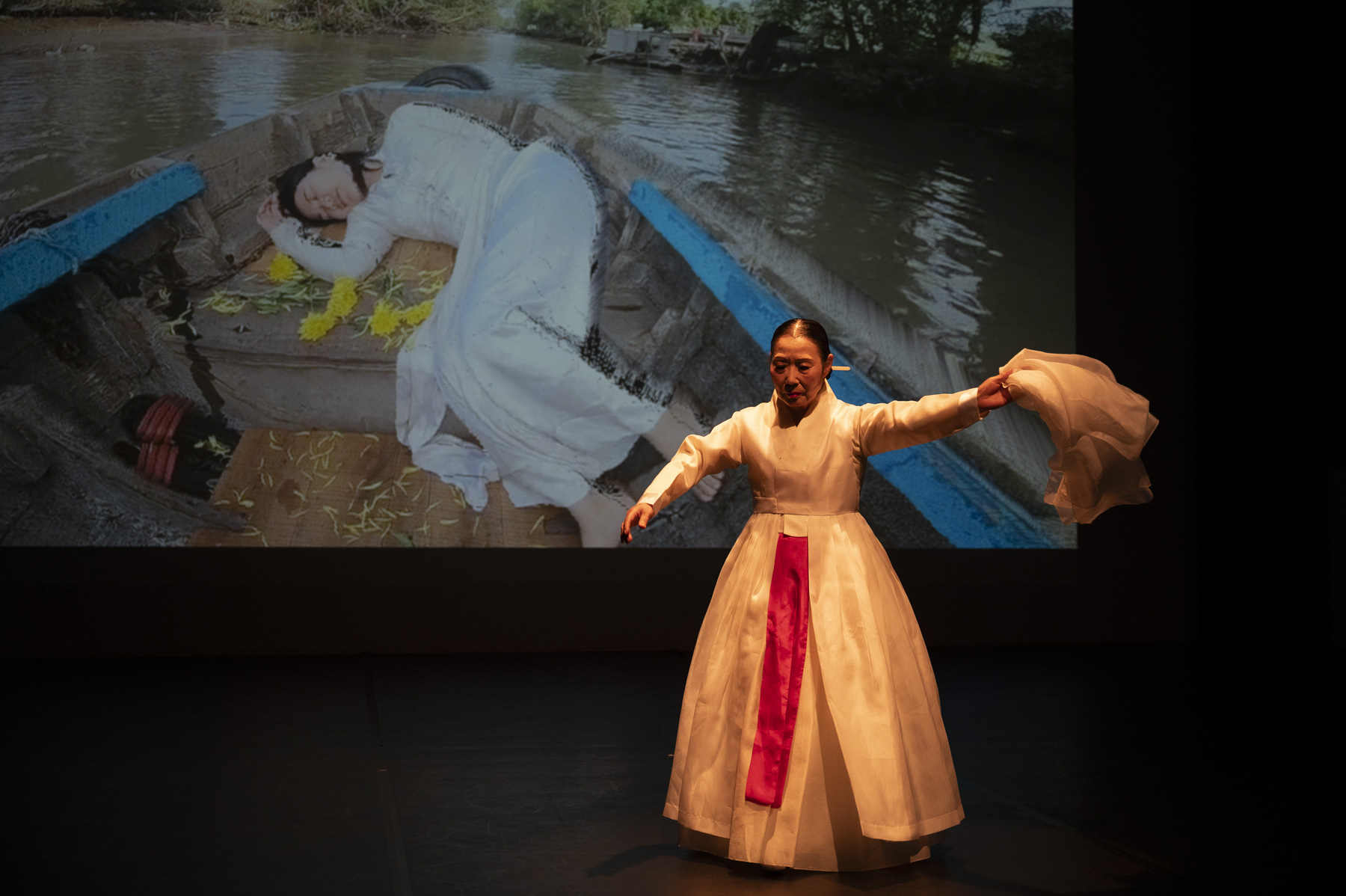
Salad Theatre presented its internationally co-produced performance "Pseudo-Archaeological Translation: The Case of Berlin" (Co-directed by Yuko Kaseki & Kyong Ju Park) on 19 July as an officially invited production at the 2nd International Korean-German Dance Festival, held at Uferstudio in Berlin. The production received the Best Dance Work Award from the festival, marking a successful return to the company's performing arts activities after the slowdown caused by the aftermath of the COVID-19 pandemic.
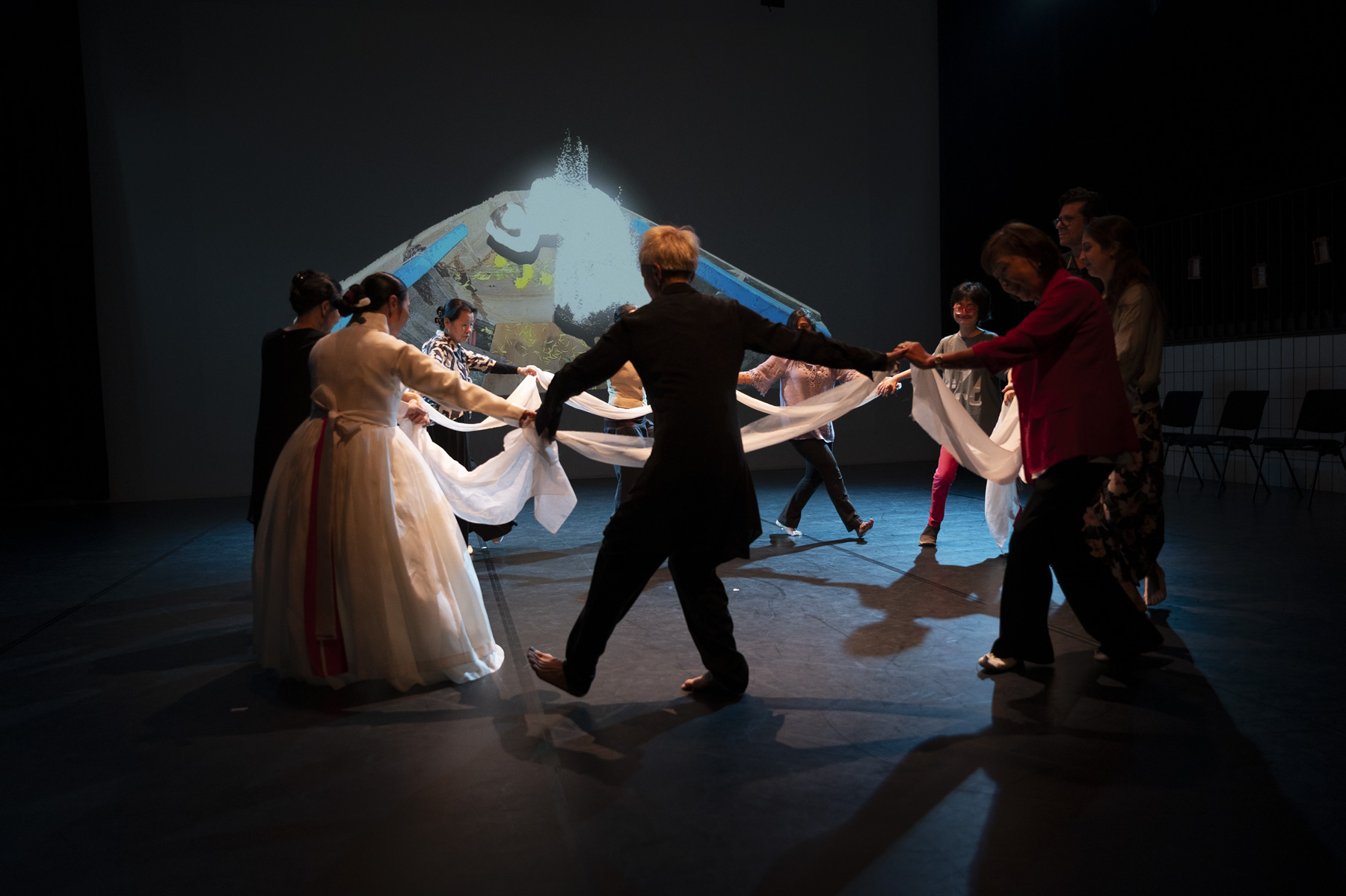
The Korea–Germany international co-production "Pseudo-Archaeological Translation: The Case of Berlin" brings together the Korean dance tradition of Salpuri and the Japanese dance form Butoh, creating a space of embodied solidarity in which movement becomes a social translation of the labor and time inscribed upon the bodies of migrant women. Salpuri, a Korean dance that consoles and purifies the sorrowful spirits of the deceased while accompanying them on their journey to the afterlife, encounters Butoh, a Japanese dance form that deeply explores transformation, marginality, memory, and the hidden histories embedded within the body. Together they create a performative space of mourning, solidarity, and translation that transcends cultural boundaries through the bodies of migrant women.
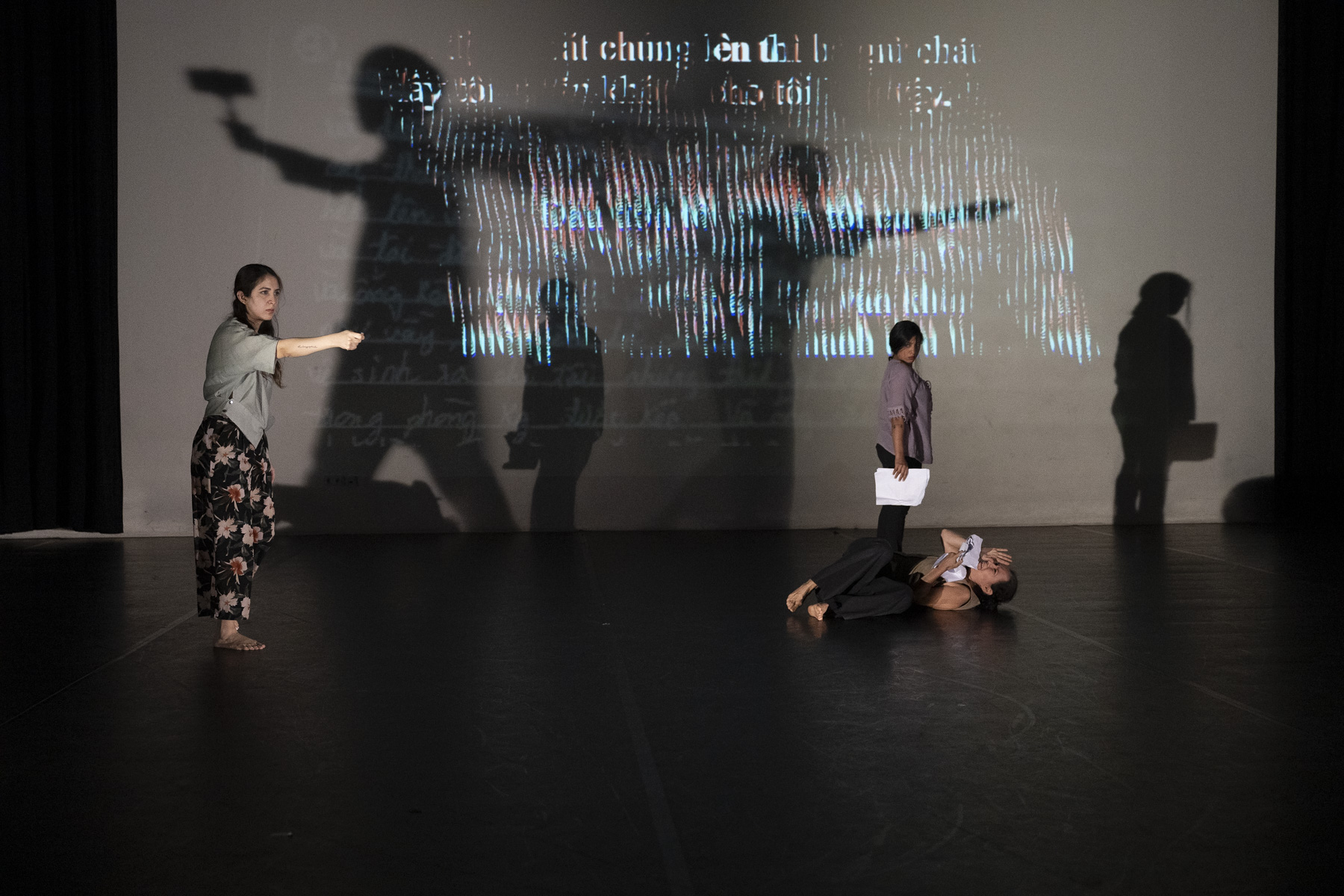
The performers included Korean women who migrated to Berlin as nurses during the 1960s and 1970s, alongside migrant women currently living in Berlin from Iran, India, and Brazil. Together they embodied an interspiritual performance of solidarity among women across national borders. Their movements became a ritual that comforted and purified the spirit of a migrant woman who had met an unjust death in a foreign land.
The work is inspired by the diary of Trần Thanh Lan, a Vietnamese migrant woman who came to South Korea through an international marriage that closely resembled human trafficking. On 6 February 2008, only 26 days after arriving in Korea, she fell from the 14th floor of a building and died. During the creative workshop based on her diary, participants translated her written story into movement through their own bodies and lived experiences.
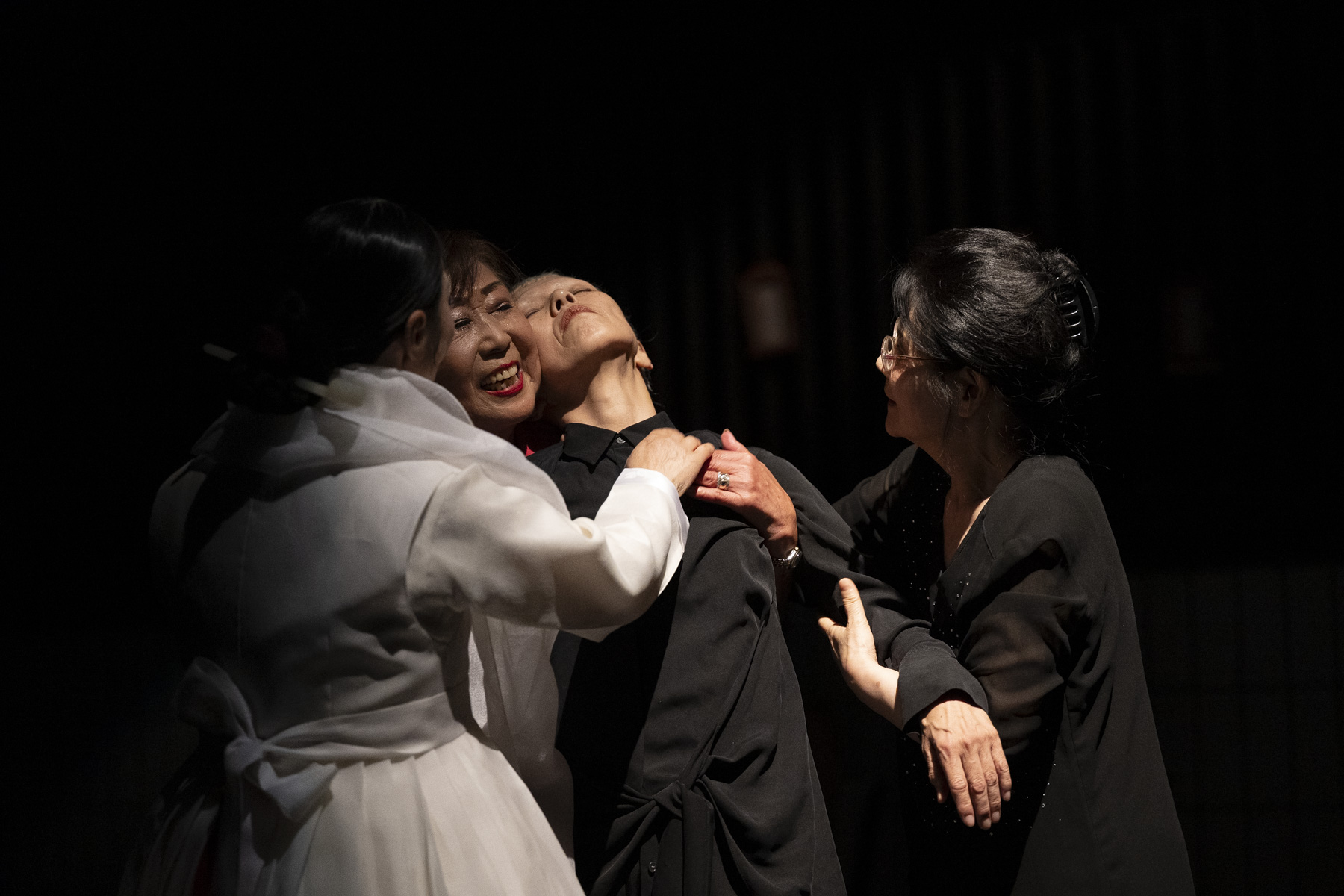
The performance also featured Hwa-cha Schwabe, a member of URI Dance Group (Director: Yun-soon Kim), a Korean dance company founded by Korean nurses living in Germany that has been active for 23 years, as well as Ducksoon Park-Mohr, a soprano who emigrated to Germany as a nurse and has worked for more than 40 years as a specialist performer of Korean and German art songs. Together they created a stage of solidarity that transcended nationality and generations. Performance music by Berlin-based composer and sound artist Hyewon Suk , combining the rhythms of Salpuri with Berlin techno, and audiovisual programming by German programmer Norman Wassmuth contributed significantly to the interdisciplinary quality of the production. In addition, footage of a dance performance held in February 2018 at the site of Trần Thanh Lan's death to commemorate the ninth anniversary of her passing was edited live during the performance and premiered publicly for the first time as the live-mixing dance film Return (Directed and live-edited by Kyong Ju Park).
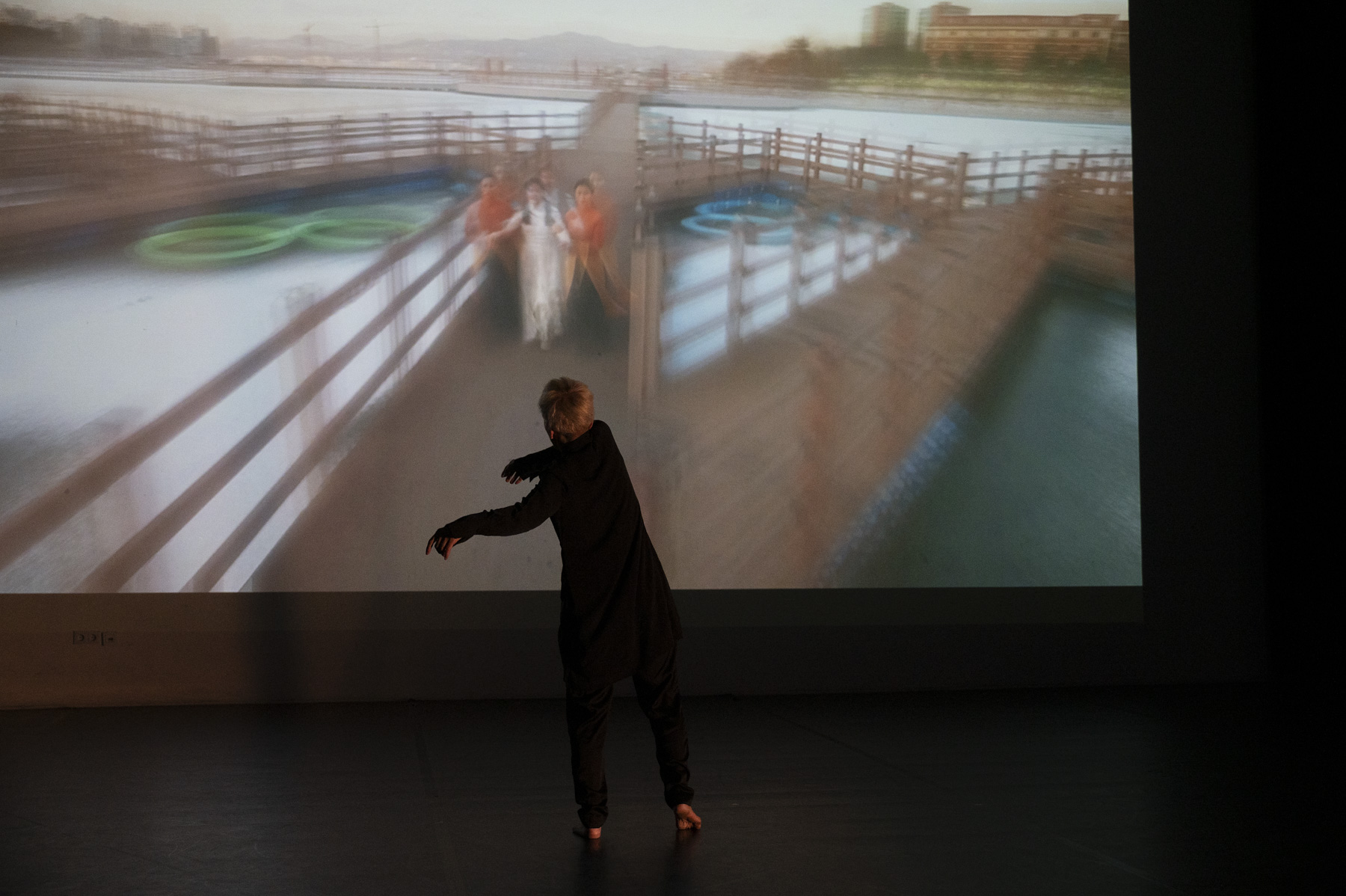
The approximately 70-seat theatre was filled to capacity, and the audience responded enthusiastically with warm applause throughout the performance. One first-generation Korean nurse who had emigrated to Germany commented after the performance:
"It was deeply moving to see the point where the stories of Korean nurses who struggled to survive in the unfamiliar land of Germany more than fifty years ago met the stories of migrant women from other countries who continue to struggle today."
This production was presented as a work-in-progress, and Salad Theatre plans to further develop the work for its world premiere in Marikina City, the Philippines, in 2027.
| Work Overview and Artist Introduction Officially Invited Performance of the 2nd International Korean-German Dance Festival Best Dance Work Award Triumph Title of the performance: Pseudo-Archaeological Translation: The Case of Berlin Performance:19 July 2026, 7:00 p.m. Venue:Studio 1, Uferstudios, Berlin Production: Salad Theatre, Seoul, South Korea Organized by: Initiative WoBo, Berlin, Germany Executive Producer: Kyong Ju Park Co-Producer: Yuko Kaseki Concept & Artistic Direction: Kyong Ju Park Direction: Yuko Kaseki & Kyong Ju Park Choreography: Yuko Kaseki Multimedia & Video Direction: Kyong Ju Park Text & Research on Trần Thanh Lan’s Diary: Kyong Ju Park Technical Direction & Dramaturgy: Kyong Ju Park Audiovisual Programming: Norman Wassmuth Sound & Music: Hyewon Suk Set Design and Props: Kyong Ju Park, Mahtab Esmaeelzadeh Cast: Yuko Kaseki, Moung-Yul Braun, Hwa-cha Schwabe, Ducksoon Park-Mohr, Apoorva Mohan, Yun-soon Kim, Adriana Santos, Mahtab Esmaeelzadeh, Kyong Ju Park Dance Film Cast: Lorna de Mateo, Urna Uranchimeg, Anima Singh Format: Artistic Research Presentation Duration: 46 min With the support of : Theaterhaus berlin In collaboration with: URI Dance Group |
| Co-Directors' Note “ How can we truly experience the stories of others? When distant events become something we can feel through empathy and embodiment, our understanding of the world begins to change. Inspired by Kyong Ju Park’s lifelong Lan's Diary, this performance explores the lives and deaths of migrant women through choreography informed by the physical and spiritual languages of Japanese Butoh and the Korean ritual dance Salpuri. From one woman to many, it honors those struggling to survive across borders. By sharing these stories with care and sensitivity, together, we invite these stories to become our own. ” - Yuko Kaseki “In today's rapidly changing geopolitical landscape, there are likely many more women whose existence remains suspended between presence and absence—those whose bodies have never been found, whose whereabouts remain unknown, or whose lives have disappeared into administrative and political voids. Women who no longer exist in the world, yet continue to exist on paper; women who are alive, yet denied official existence. I dedicate this performance to those women who continue to live as ghosts after migration—to migrant women whose lives have been erased, obscured, or left unresolved by borders, institutions, and documents. I also dedicate it to all migrants, especially women, whose lives have been trapped in legal and bureaucratic limbo, unable even to be recognized as dead.” - Kyong Ju Park |